
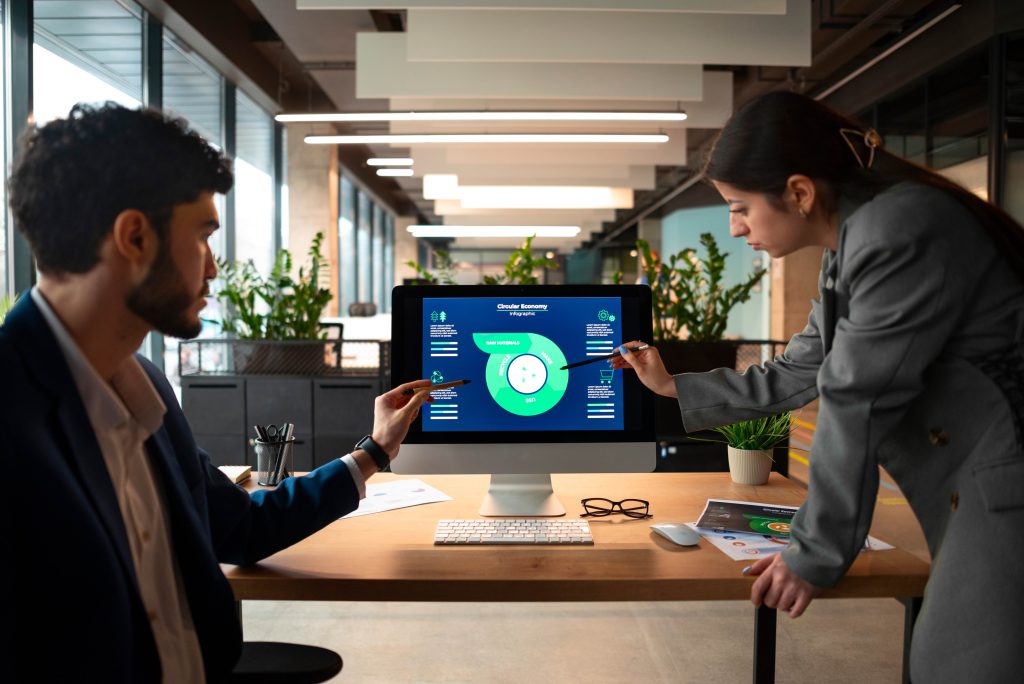
Ask any HR manager in a growing company what consumes the most time each month, and the answer is almost always the same: endless employee questions about payslips, leave balances, policy details, tax documents, or profile updates. In 2026, with hybrid and remote teams now standard, these interruptions happen across time zones, making the problem even more disruptive. The solution that thousands of organizations have embraced is simple yet powerful: a modern employee self-service portal.
When built right, these portals do far more than reduce emails and tickets. They give employees control, increase transparency, build trust, and free HR to focus on higher-value work like talent development and culture. This guide explains why self-service portals have become essential in 2026, the features that make them truly effective, the real business impact, and why SmartHR delivers one of the most intuitive and complete self-service experiences available today.
Why Self-Service Portals Matter More Than Ever
Distributed teams expect instant access to their own information. Employees working from home, field locations, or different countries do not want to wait for HR to send a payslip or explain leave carry-forward rules. They want to see it themselves, on their phone, right now.
Beyond convenience, self-service directly improves engagement. When people can manage routine tasks independently, they feel trusted and empowered. That sense of ownership reduces frustration and strengthens loyalty. Studies consistently show that companies with strong self-service adoption report higher employee satisfaction scores and lower voluntary turnover.
For HR teams, the time savings are dramatic. What used to be dozens of daily requests becomes a handful, letting HR shift from transactional support to strategic contribution.
Essential Features of Effective Self-Service Portals in 2026
The best portals share these characteristics:
They are mobile-first, loading quickly even on slower connections. Employees access payslips, tax forms, leave balances, attendance history, company policies, and benefits enrollment from any device. Leave requests and approvals happen in a few taps with clear status tracking.
Real-time data accuracy is non-negotiable. Balances update instantly when leave is approved or hours are recorded. No more “I’ll check and get back to you” delays.
Security and privacy are built in from the start. Role-based access, encryption, audit logs, and compliance with GDPR, DPDP Act, and other regulations protect sensitive information while giving employees confidence.
Personalization makes the experience feel tailored. Employees see only the policies, benefits, and forms relevant to their location, role, and employment status.
Integration with core HR processes ensures nothing lives in silos. Leave data flows directly to payroll, performance notes sync with reviews, and attendance updates reflect immediately in reports.
SmartHR brings all of this together in a clean, modern portal that employees actually enjoy using. The interface is intuitive, mobile-optimized, and fast, even in regions with variable internet quality. Real-time updates keep balances and statuses current, and the portal handles everything from leave applications to payslip downloads to profile changes without HR intervention.
Real Business Impact of Strong Self-Service
Companies that implement effective self-service portals see consistent results:
- HR ticket volume drops by 60 to 80 percent on routine queries
- Employee satisfaction scores rise noticeably in engagement surveys
- Payroll accuracy improves because staff can verify data themselves
- Onboarding becomes smoother with self-guided document submission
- Remote and hybrid workers feel equally supported and included
- HR teams reclaim hours every week for coaching, development, and culture work
These gains are especially pronounced in industries with shift workers, field teams, or multi-location operations, where traditional HR support is hardest to deliver.
Why SmartHR Sets the Standard for Self-Service in 2026
SmartHR is designed with the employee experience at the center. The portal is mobile-first, visually clean, and fast-loading. Employees can:
- View and download payslips and tax forms instantly
- Check real-time leave balances and apply or cancel requests
- See attendance history and request corrections
- Update personal details and emergency contacts
- Access company policies, benefits summaries, and announcements
Behind the scenes, everything syncs automatically with payroll, leave accrual rules, and compliance requirements across 50+ countries. No-code configuration lets you customize views and workflows to match your organization. Security meets ISO 27001, SOC 2, and GDPR standards, and 24/7 support ensures quick resolution if questions arise.
Many companies that switch to SmartHR report the same outcome: employees stop pinging HR for routine information, HR stops feeling like a bottleneck, and the entire organization runs smoother.
Final Thoughts
Employee self-service portals in 2026 are not a nice-to-have—they are a core part of modern HR. They reduce administrative burden, increase transparency, empower people, and free HR to focus on what matters most: developing talent and strengthening culture.
SmartHR delivers one of the most complete and user-friendly self-service experiences available today. It combines intuitive design, real-time accuracy, strong compliance, and effortless scalability, making it ideal for businesses that want to support distributed teams without constant HR intervention.
If your employees still rely on emails or HR for basic information, the time to change that is now. Explore SmartHR today and experience how a powerful self-service portal can transform efficiency and engagement across your organization.
Ready to give your team true independence? Schedule a demo and see the SmartHR employee portal in action.